What is a Trampoline Ring?
The Complete Guide
In the world of backyard recreation, trampolines have long been a staple for family fun, exercise, and athletic training. However, traditional above-ground trampolines come with their share of concerns—safety risks from high falls, aesthetic disruptions to your landscaping, and ongoing maintenance challenges.
Enter the in-ground trampoline: an innovative solution that embeds the trampoline safely at ground level for a seamless, low-profile experience.
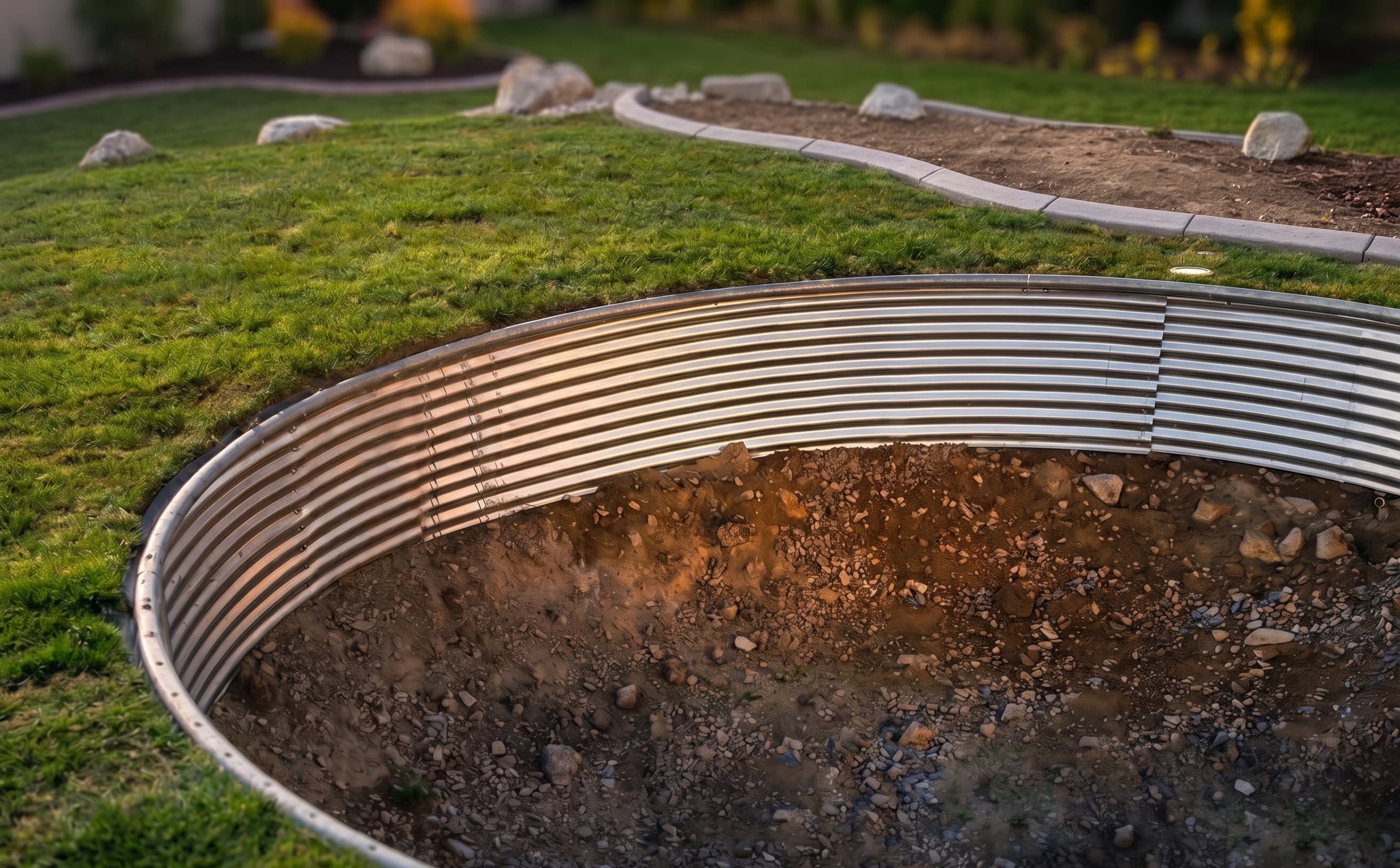
At the absolute heart of a successful installation is the in ground trampoline retaining wall (often referred to as a trampoline ring). These structures reinforce your excavated hole, preventing soil collapse and ensuring long-term stability. Drawing from our expertise at Rocky Mountain Trampoline Rings, this guide delves into everything you need to know about retaining walls, from their construction and core benefits to best practices for your backyard.
What Is an In-Ground Trampoline Retaining Wall?
An in ground trampoline retaining wall is a heavy-duty structural barrier designed to hold back the earth around the excavated hole where your trampoline sits.
Unlike above-ground models that stand on wobbly metal legs, in-ground trampolines sit flush with the surrounding terrain. The retaining wall lines the perimeter of the dirt hole to prevent messy cave-ins, protect the trampoline frame from rusting, and maintain the integrity of your landscaping over time.
These walls are not just simple dirt barriers; they are highly engineered systems tailored for durability. For example, Rocky Mountain Trampoline Rings utilizes a corrugated steel design that evenly distributes pressure and resists shifting soil.
Compatible With Every Trampoline Shape
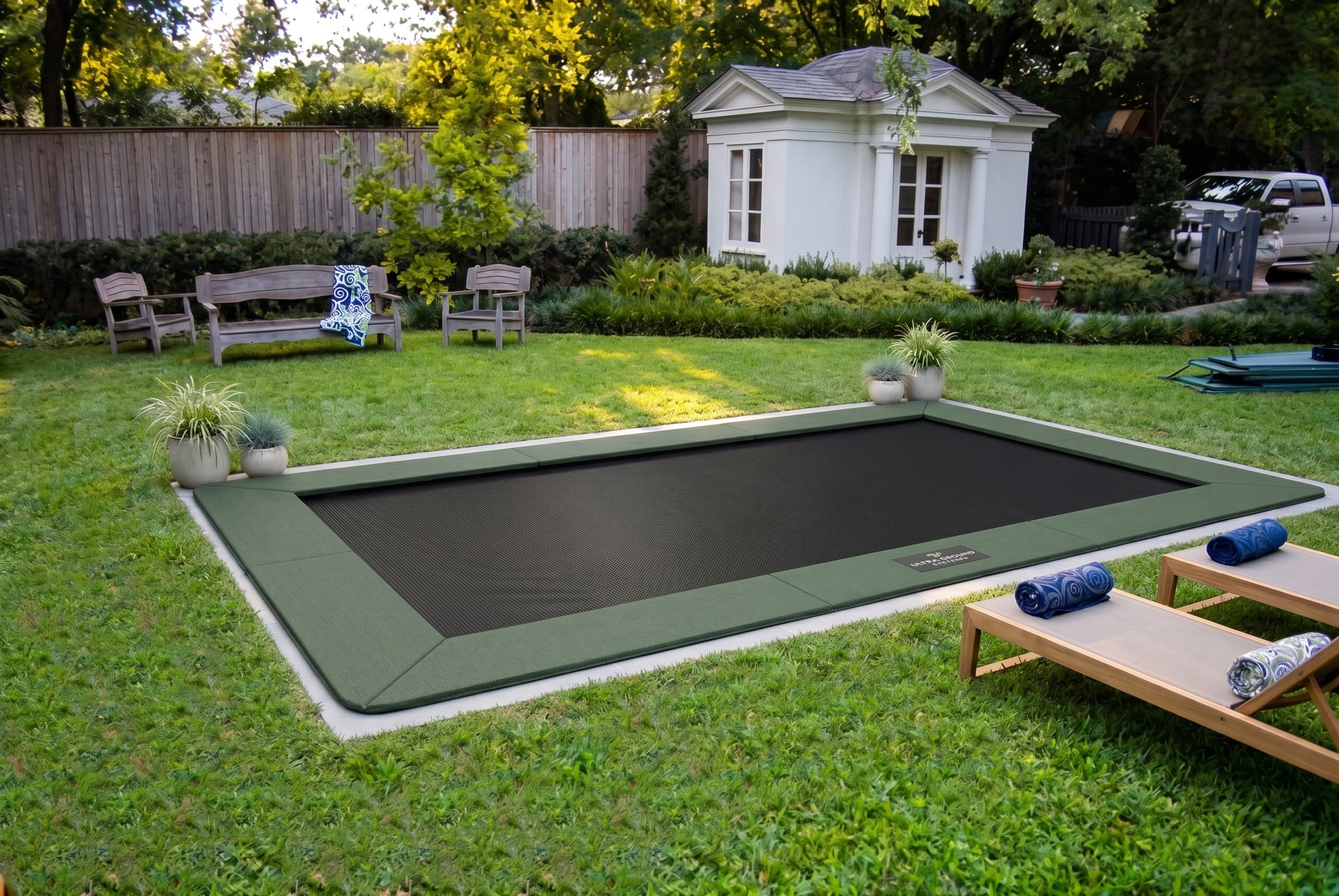
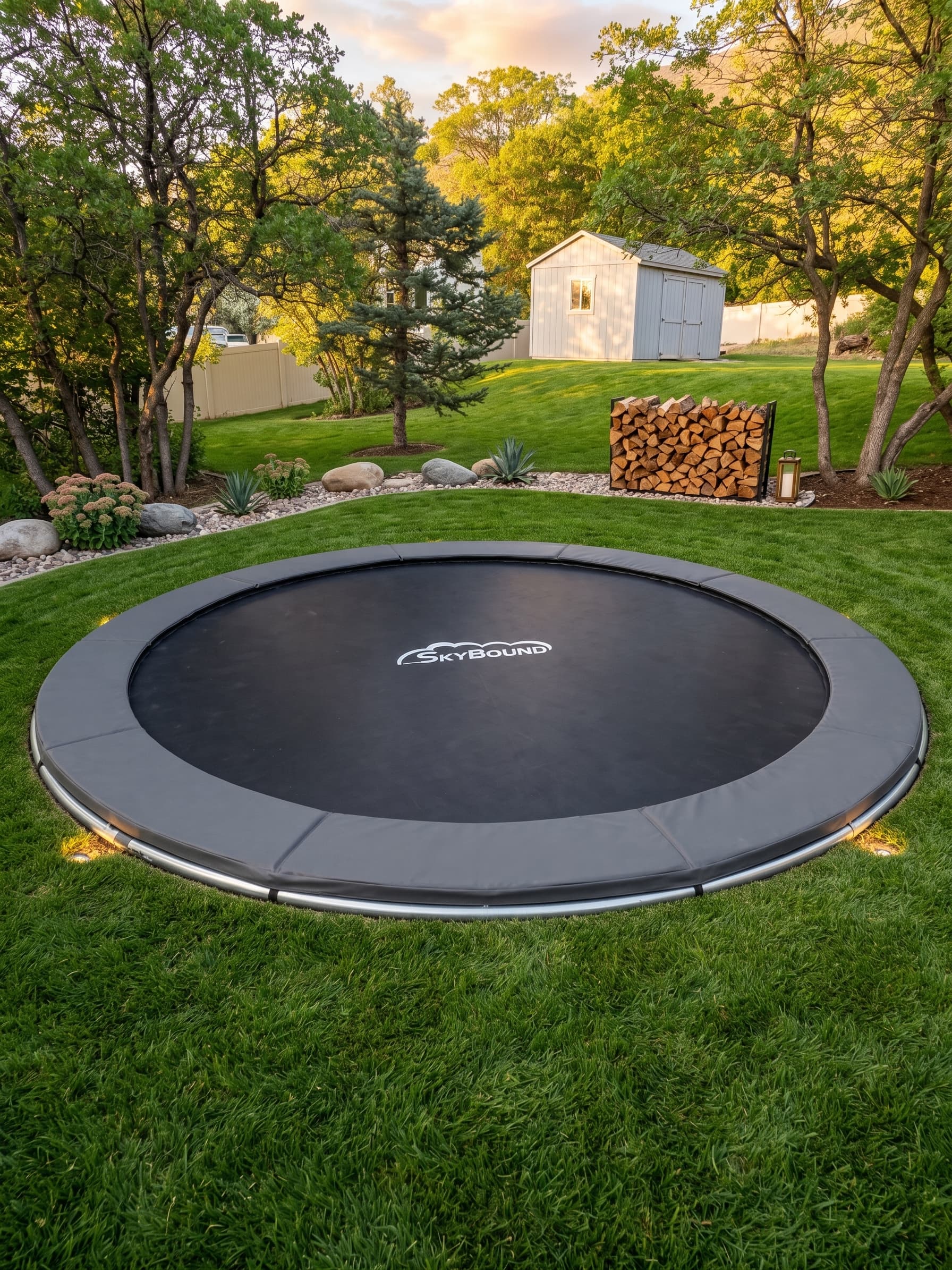
One of the biggest misconceptions about an in ground trampoline retaining wall is that it only works for standard round trampolines. A high-quality retaining system is completely customizable and compatible with any traditional trampoline shape, allowing you to upgrade your existing backyard equipment without buying a specialized, overpriced in-ground model.
Our retaining wall systems can be tailored to fit:
- Circle / Round: The classic backyard choice. Flexible steel rings easily contour to the exact diameter of the frame, providing even soil support on all sides.
- Rectangle: The top choice for gymnasts, snowboarders, and athletes. Straight steel panels lock the earth back perfectly to support the massive bounce these frames generate.
- Square: A great option that maximizes jumping surface area. The retaining walls form precise 90-degree corners to keep the pit structurally sound.
- Oval: Ideal for long, narrow backyards where a traditional circle won't fit.
- Octagon: A high-performance, heavy-duty shape that benefits greatly from the rigid support of a premium steel retaining wall.
Top 5 Benefits of an In-Ground Trampoline Setup
Choosing a proper retaining wall for your in-ground trampoline delivers advantages that go far beyond looks:
1. Dramatically Improved Safety
Eliminates the 3–4 ft fall risk of above-ground trampolines. Children and adults can bounce with confidence, and the setup is fully compatible with safety nets for extra protection.
2. Superior Aesthetics & Property Value
Blends seamlessly into your landscaping. There are no ugly metal legs sticking up, creating a clean, modern backyard look while heavily reducing the annoyance of mowing and trimming around the frame.
3. Better Performance & Bounce
High-quality setups provide a superior bounce by optimizing airflow. When paired with vented safety pads, air escapes efficiently during heavy jumps, preventing the "stiff" bounce often associated with poorly installed pit trampolines.
4. Lower Long-Term Maintenance
A dedicated wall protects your trampoline from environmental wear, encroaching debris, and ground moisture, significantly extending the lifespan of your frame and springs.
5. Environmental & Practical Wins
Better water drainage when properly designed, and ideal for low-impact exercise year-round.
Why Corrugated Steel is the Ultimate Retaining Material
The choice of material is the most crucial decision you will make. While some DIYers attempt to use plastic, wood, or concrete blocks, corrugated steel has emerged as the undisputed industry standard.
Materials Comparison: Why Corrugated Steel Is the Clear Winner
| Material | Strength | Longevity | Rust/Corrosion Resistance | Installation Ease | Cost-Effectiveness | Best For |
|---|---|---|---|---|---|---|
| Corrugated Steel | Excellent | 25+ years | Excellent (galvanized) | Very Easy | Excellent | Most homeowners |
| Plastic | Poor | 5–10 years | Good | Easy | Low | Temporary setups |
| Aluminum | Fair | 8–12 years | Poor | Moderate | Medium | Lightweight needs |
| Wood / Railroad Ties | Fair | 5–8 years | Poor (rots) | Difficult | Low | Short-term projects |
| Concrete / Blocks | Good | 15–20 years | Excellent | Very Difficult | Poor | Permanent commercial use |
Corrugated steel stands out because it combines superior strength with flexibility and fast installation. Systems from Rocky Mountain Trampoline Rings feature:
- Beveled edges to eliminate sharp points.
- Pre-formed, pre-measured panels that assemble in hours.
- Free-standing or frame-attached options.
- Easy transport (fits in a standard truck or trailer).
Safety Considerations & Maintenance Best Practices
While a ground-level design inherently minimizes fall heights, implementing a few extra safety measures will ensure your setup remains secure for decades:
- Use Vented Pads: Always use high-quality, vented safety pads to cover the springs and frame. This prevents pinching and covers hazardous gaps.
- Consider a Perimeter Net: If you are opting for a safety enclosure, install the net around the perimeter. In-ground rings are fully compatible with net systems.
- Inspect Regularly: Perform seasonal inspections to check for minor soil shifts, proper water drainage at the bottom of the pit, and general wear on the mat.
Ready to Transform Your Backyard?
In-ground trampoline retaining walls represent the smartest evolution in backyard recreation—delivering safety, beauty, performance, and long-term value. Whether you’re a parent focused on child safety or an athlete training year-round, our corrugated steel rings offer unmatched quality and peace of mind.
START MY ORDERand we’ll help you choose the perfect size and walk you through every step.
Frequently Asked Questions (FAQ)
How long do in-ground trampoline retaining walls last?
High-quality corrugated steel systems (like Rocky Mountain’s) are backed by a 25-year warranty and routinely last 25–30+ years with proper care.
Can I use my existing trampoline?
Yes! These retaining walls work with virtually any brand and size of traditional trampoline (circle, rectangle, oval, etc.).
Do I need professional installation?
Most homeowners complete installation in a few hours with basic tools, but professional installation is available and recommended for perfect results.
What’s the best material for a retaining wall?
Corrugated galvanized steel is the clear winner for strength, longevity, rust resistance, and ease of installation.
Will water collect under my trampoline?
Not if you install a proper gravel drainage layer at the bottom of the pit, which is highly recommended for all installations.