When homeowners decide to sink their trampoline to ground level, they usually focus on the digging and the retaining wall. But there is one crucial element that often gets overlooked until the first big storm hits: drainage.
If you dig a three-foot hole in your backyard and don't give water a place to go, you haven't just built a trampoline pit—you've built a pond. Whether you are dealing with torrential summer downpours in the South or heavy spring snowmelt here along the Wasatch Front, water will always find the lowest point in your yard.
Here is exactly why proper inground trampoline drainage is the most important step of your installation, and how to ensure your backyard upgrade lasts for decades.
The Risks of Water Pooling Under a Trampoline
Failing to plan for drainage doesn't just create a muddy mess; it actively damages your equipment and creates safety hazards for your family.
1. Accelerated Rust and Degradation
While Rocky Mountain Trampoline Rings are made from heavily galvanized corrugated steel designed to withstand the elements, the trampoline frame and springs themselves are highly susceptible to moisture. Constant exposure to standing water and high humidity will accelerate rust on your springs, drastically reducing their lifespan and bounce quality.
2. Soil Erosion and Wall Collapse
Water is heavy. If the soil behind your retaining wall becomes super-saturated with nowhere to drain, it exerts massive hydrostatic pressure on the walls. Over time, poorly drained expanding clay or loose topsoil can erode, causing inferior retaining walls (like plastic or wood) to buckle. Proper drainage relieves this pressure, allowing our corrugated steel rings to hold the earth firmly in place.
3. The "Mosquito Pit" Effect
Standing water is a breeding ground for mosquitoes, algae, and bacteria. A stagnant puddle sitting beneath your trampoline mat quickly turns a fun backyard activity into a health hazard and an eyesore.
4. The "Air Trap" Bounce Killer
A great bounce requires air to escape quickly when a jumper hits the mat. If your pit is filled with a foot of water, the displaced air has nowhere to go, creating a vacuum effect that severely deadens the bounce quality of the trampoline.
3 Ways to Create the Perfect Drainage System
The good news is that preventing water pooling is incredibly simple if you handle it before you drop the trampoline into the ground. Depending on your soil type, here are the three best ways to handle inground trampoline drainage:
The Standard Fix: A Crushed Gravel Base
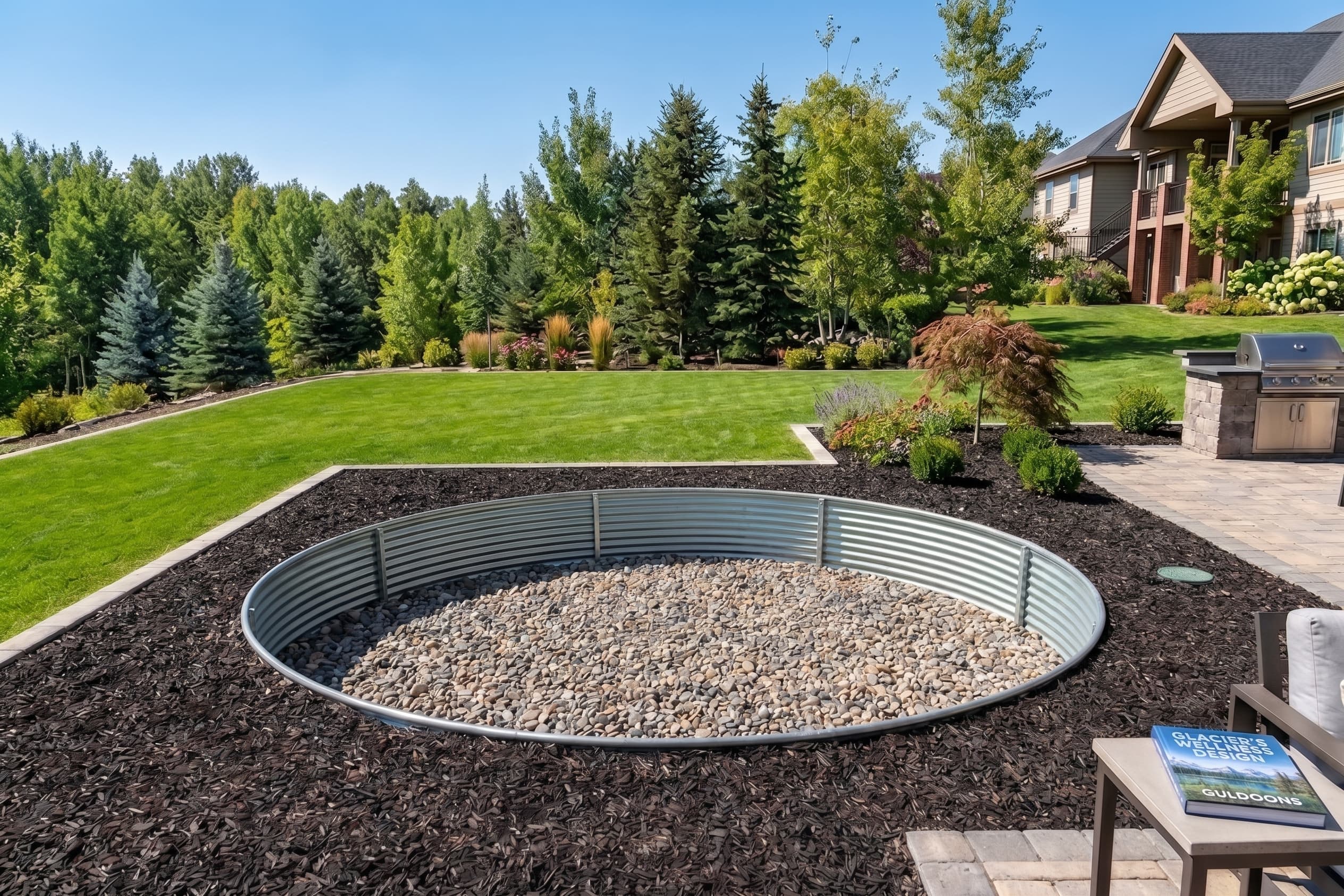
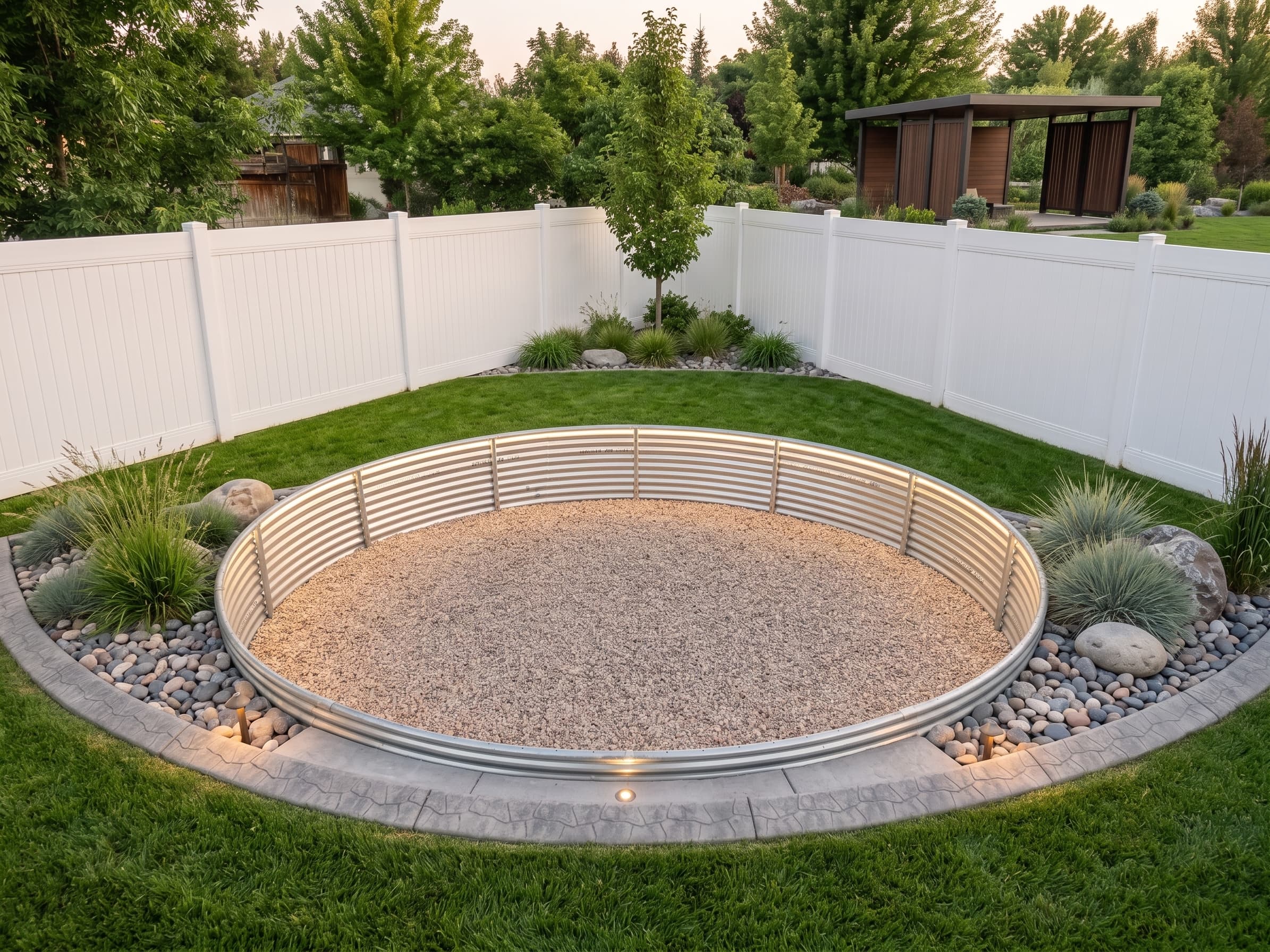
For 80% of backyards with normal soil, a simple soakaway is all you need. Dig your hole about 3 to 4 inches deeper than required, and backfill the very bottom with a layer of crushed gravel or pea gravel. This creates a porous reservoir, allowing heavy rain to quickly disperse and slowly percolate into the dirt below without pooling at the surface.
The Heavy Rain Solution: A French Drain
If your yard has a high water table, heavy clay soil that doesn't drain well, or you live in an area prone to massive downpours, a French drain is the gold standard. This involves digging a small trench leading away from the bottom of your trampoline pit to a lower point in your yard. You lay a perforated PVC pipe wrapped in landscape fabric inside the trench and cover it with gravel. Gravity does the rest, pulling water out of the pit and safely away.
The Extreme Fix: A Sump Pump
For yards that are completely flat, have terrible drainage, or sit in low-lying flood zones, a mechanical sump pump might be required. You dig a slightly deeper catch basin at the center of the pit, place an automatic submersible pump inside, and run the exit hose out into your yard's main drainage system. When the water hits a certain level, the pump kicks on and automatically empties the pit.
Do It Right the First Time
Installing an in-ground trampoline is an investment in your home and your family's safety. By taking an extra hour to lay down a gravel base or run a French drain pipe, you guarantee that your pit stays dry, your springs stay bouncy, and your setup lasts for years.
Ready to build your system?
Explore our Easy Installation Guide or shop our Corrugated Steel Trampoline Rings to get started on a retaining wall that is guaranteed to outlast the competition.